About The Boston Calling Music Festival
Boston Calling 2026-27: The Comeback We’ve Been Waiting For
The rumor mill in New England never stops grinding, but the buzz surrounding the return of Boston Calling is different. After the festival navigated a recent 'gap year' that left Harvard Square feeling remarkably quiet, the anticipation for the 2026-2027 cycle is reaching a fever pitch. As someone who has tracked the festival's evolution from its infancy to its status as a regional economic juggernaut, I can tell you: the hunger for live music on the Harvard Athletic Complex grounds hasn't diminished. If anything, the break has turned the demand into a powder keg.
What to Expect: The Sound and The Fury
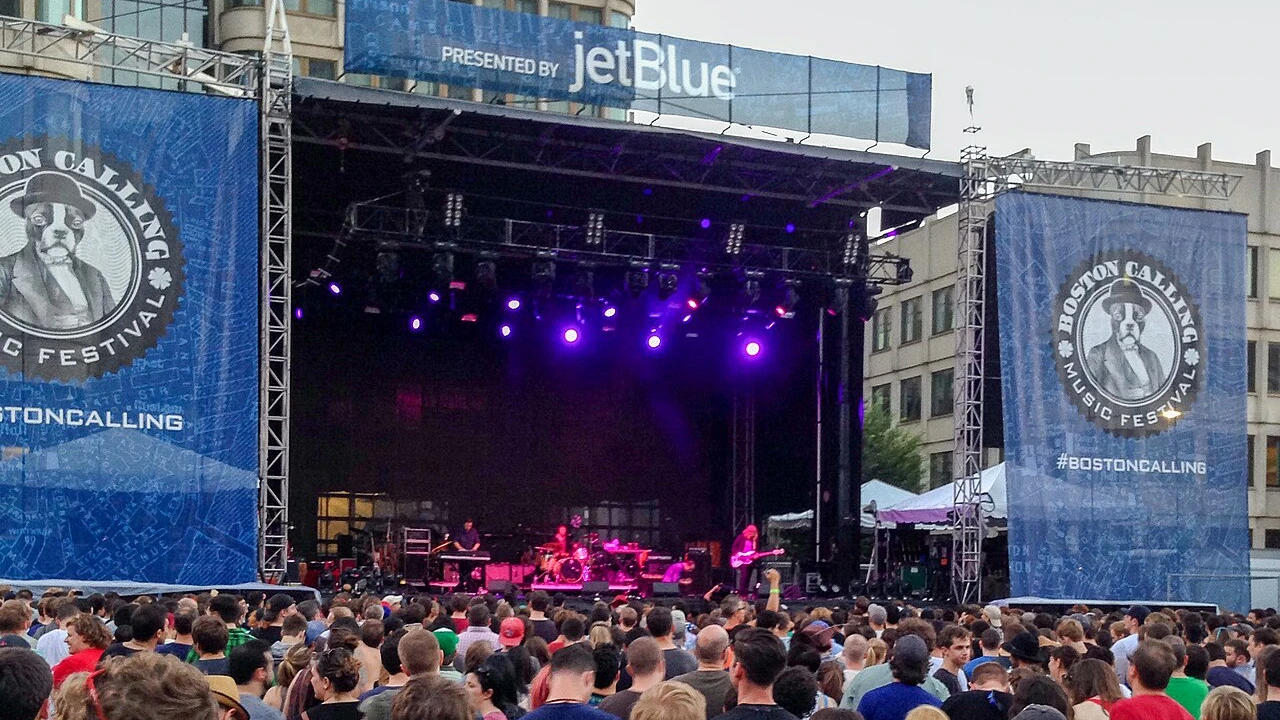
Boston Calling isn't just a concert; it’s a marathon of sonic discovery. Expect the 2026-27 iteration to lean into the current cultural shift toward genre-fluid lineups. We are seeing a move away from legacy acts and toward artists who define the current zeitgeist—think explosive sets that blend high-production value with the raw, political urgency we’ve seen in recent industry movements led by icons like Tom Morello. The stage layout will likely maintain the iconic dual-stage setup that minimizes downtime, keeping the energy moving from noon until the final headliner closes out the night under the Boston skyline.
The Art of the Venue Strategy
Let’s talk logistics. Harvard Athletic Complex is a sprawling beast. If you are aiming for the rail, you need a plan. The transition between the Red Stage and the Green Stage is where most amateurs lose their spot.
- The Pit: Only for the truly committed. If you want to be pressed against the barricade, you sacrifice the ability to grab a drink or hit the restroom for eight hours.
- The Mid-Field: This is the sweet spot. You get the full sonic impact of the line-array speakers without the crushing pressure of the front row.
- The Elevated Tiers: Look for the VIP viewing decks. They offer a rare perspective that allows you to see the scope of the crowd while maintaining a clear sightline to the screens.
The secret to a great festival experience isn't just the lineup; it's knowing exactly when to move between stages to avoid the inevitable bottleneck at the main thoroughfares.
Navigating the Ticket Market
The secondary market for Boston Calling is a volatile beast. When the lineup drops, prices spike—that is a given. However, the true savvy move happens about 72 hours before the gates open. This is when the 'panic sellers'—those who bought passes months ago but can no longer attend—flood the market. You will see a dip in prices as these individuals scramble to recoup their losses. But don't wait until the morning of; by then, the only things left are high-risk listings that might not clear in time.
Verified tickets are not just a suggestion; they are a necessity. With the rise of sophisticated digital scams, buying through a trusted platform is the only way to ensure your wristband actually scans when you reach the security checkpoint. Do not gamble with your weekend on unverified social media marketplace deals.
Your Next Move
The 2026-27 festival season is shaping up to be the most competitive in recent history. If you want to be part of the roar when the lights hit the main stage, you need to be proactive. Check the live interactive seat maps and ticket listings on TicketsCamp to compare verified resale prices in real-time. Lock in your entry now, map out your must-see acts, and get ready to experience the heartbeat of Boston music culture.