About The To Kill A Mockingbird
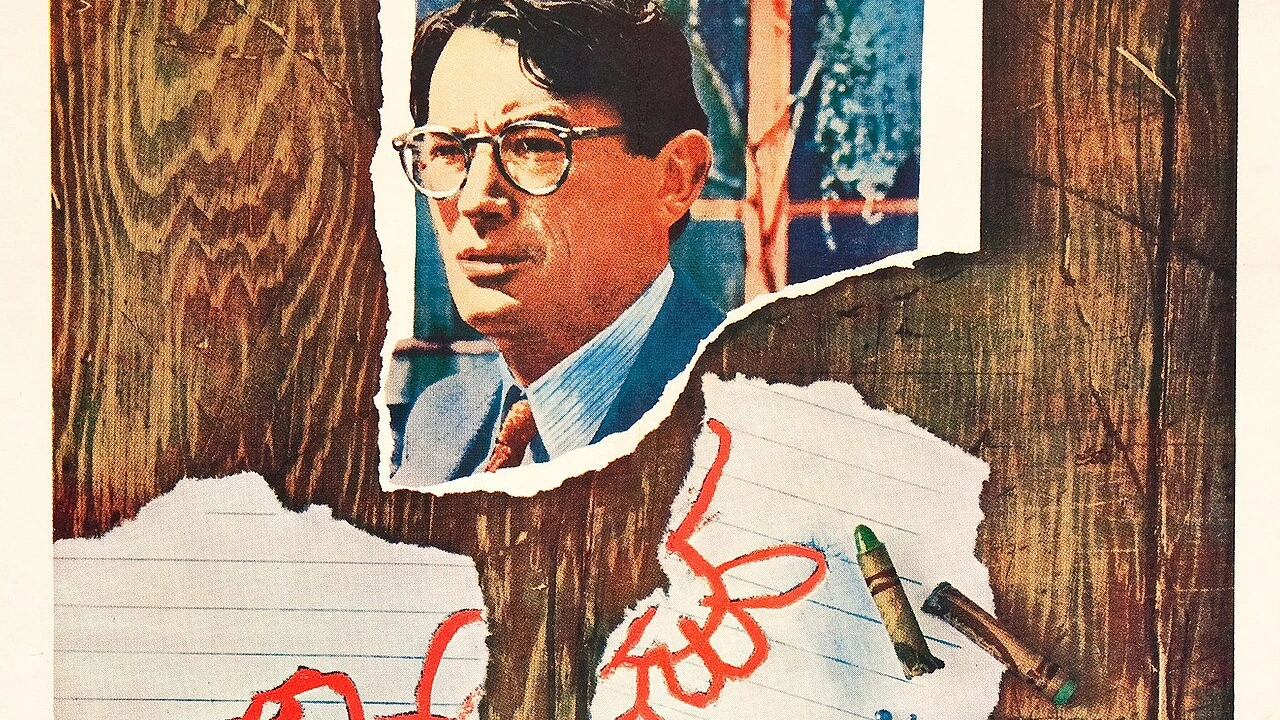
The Verdict is In: Why Aaron Sorkin’s Mockingbird Still Rules the Stage
If you have spent any time in the theater circuit lately, you know the atmosphere surrounding the current iteration of To Kill A Mockingbird is nothing short of electric. Aaron Sorkin’s adaptation isn’t just a revival; it is a cultural force. From the high-stakes workshops at The Huntington to local community stages, the demand for this specific script remains white-hot. This isn't your high school English class production. It is a sharp, jagged, and deeply human look at justice that keeps audiences pinned to their seats long after the house lights dim.
What to Expect: The Sorkin Edge
Sorkin brings his signature rapid-fire dialogue to Harper Lee’s classic, and the result is a production that feels surprisingly modern. You aren't just watching a story about the 1930s; you are watching a legal thriller. The stagecraft is minimal but intentional, focusing on the weight of the courtroom. Expect a production that leans heavily into tension, silence, and the raw power of Atticus Finch’s monologues. The audio production is crisp, designed to ensure every syllable of Sorkin’s sharp script hits the back of the house.
The Seating Strategy: Where to Sit for Maximum Impact
- The Orchestra Center: This is the sweet spot. You want to be close enough to catch the micro-expressions of the actors during the cross-examinations, but far enough back to take in the full frame of the set design. Rows F through M are your golden tickets.
- The Front Mezzanine: If you are a fan of geometry and clean sightlines, this is your zone. You get a perfect, unhindered view of the stage depth, which is vital when the courtroom layout shifts. Avoid the very far sides, as the angle can cut off the back-left corner of the stage.
- The Rear Mezzanine: Budget-conscious? These seats are fine, but keep an eye out for overhangs. If you are sitting under the balcony, the acoustics can occasionally feel a bit dampened.
Pro-tip: Always check for audio pillars. In older theaters, structural columns are the enemy of a clean view. If a seat is marked 'partial view,' it is usually because a pillar eats a chunk of the stage. Avoid these unless the price is rock bottom.
The Ticket Hunt: Strategy for 2026-2027
The secondary market for this tour is volatile. I have tracked pricing patterns for months, and the trend is clear: demand spikes twice. First, when the initial block of tickets vanishes, and again exactly 72 hours before curtain. If you are sitting on a ticket, hold it. If you are looking to buy, that 72-hour mark is when last-minute sellers get nervous and drop their prices to move inventory.
Don't fall for the 'sold out' myth. There is almost always a secondary market flow. However, you need to be smart. Stick to verified platforms to ensure your QR code actually scans when you reach the usher. Buying from a random social media post is a gamble I would never take. Secure your seats via TicketsCamp to access live interactive maps and verified inventory that guarantees you won't be left standing on the sidewalk when the overture begins.
This tour is moving across the country fast. Whether you are a long-time fan of the book or a newcomer to the stage play, catching this production live is the only way to truly appreciate the craftsmanship. Grab your tickets, find your seat, and prepare for one of the most powerful nights you will spend in a theater this year.